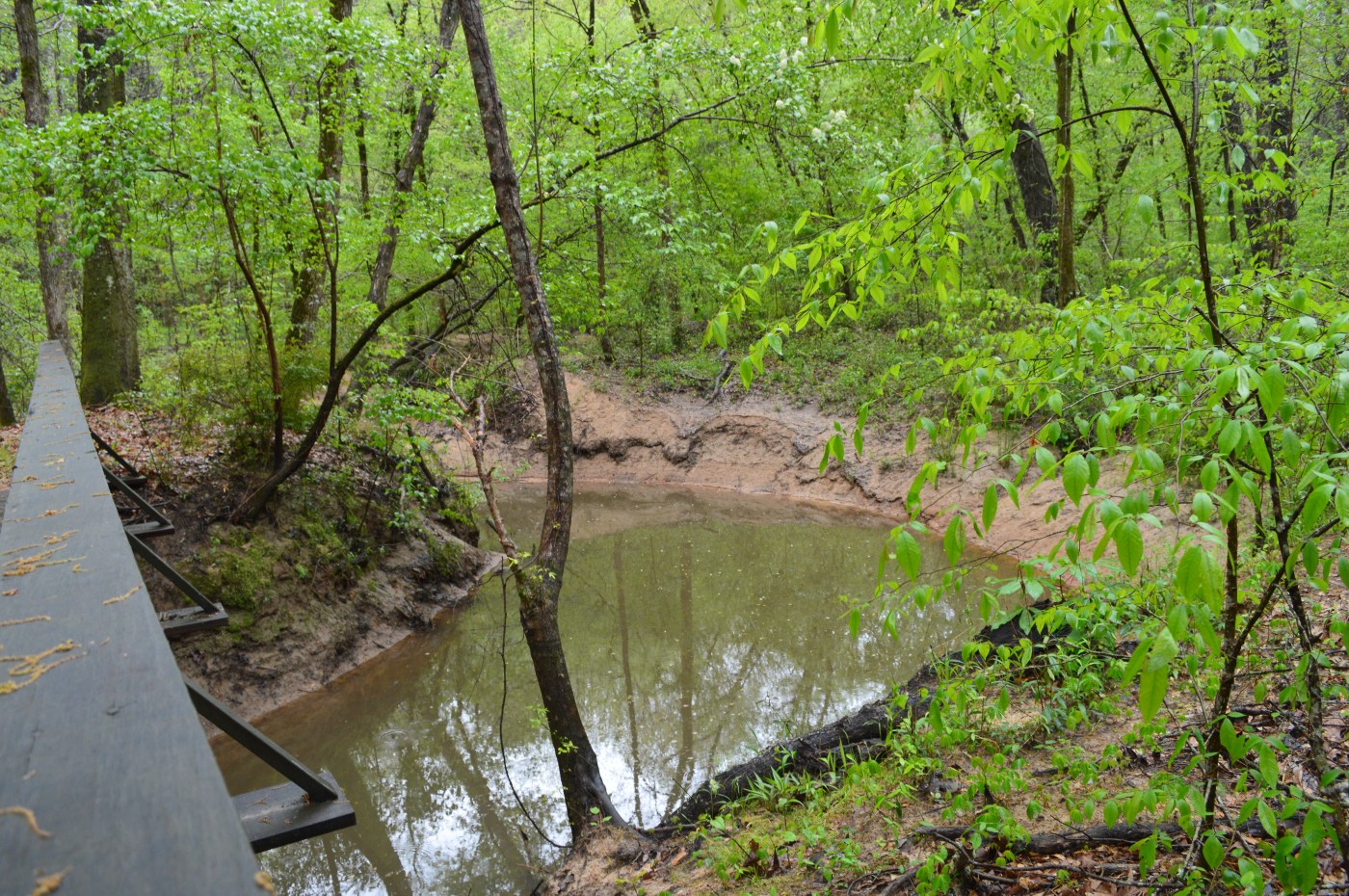
Date Visited: 4/4/2019
Although I’ve lived in Florida my entire life, I have never seen a beaver. I’ve seen plenty of otters, but never a beaver. This is primarily because of two factors; 1.) they are mostly dispersed throughout the panhandle and I live in central Florida and 2.) they are generally nocturnal so a daytrip would likely not result in a live beaver spotting.
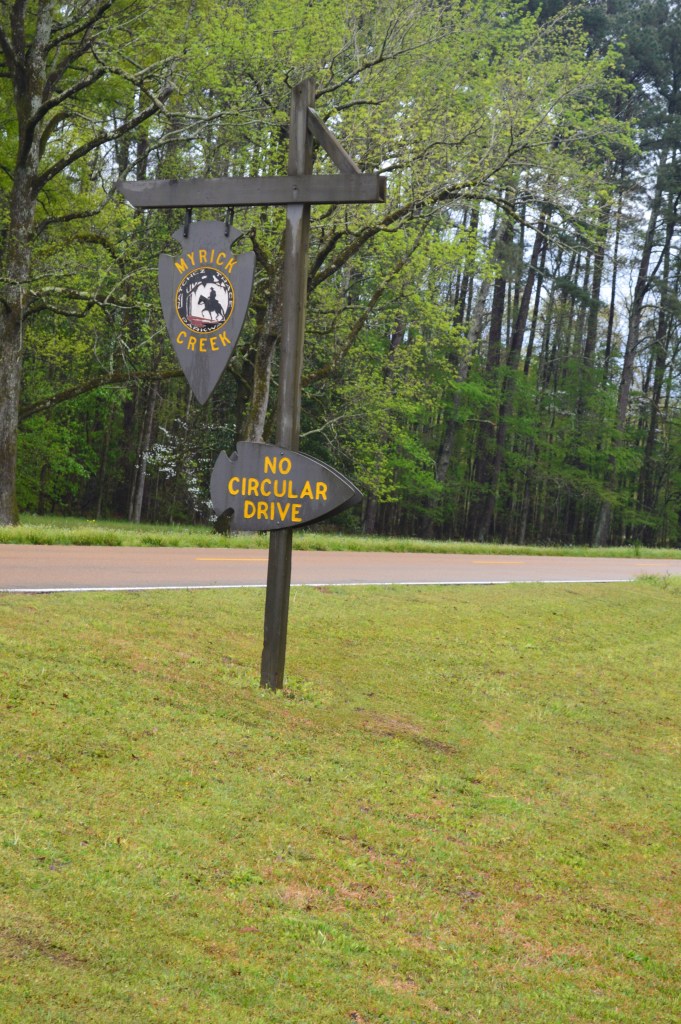
So when I read that the Myrick Creek stop was a likely place to spot beaver activity along the Natchez Trace, I was all in.
Beavers, like many species in North America were once a thriving population. In fact, not only millions, but hundreds of millions occupied the continent until the 1900s when fur trading resulted in a major decline in their numbers in the eastern portions of the United States. (Baker, B.W., and E.P. Hill. 2003. Beaver (Castor canadensis)).
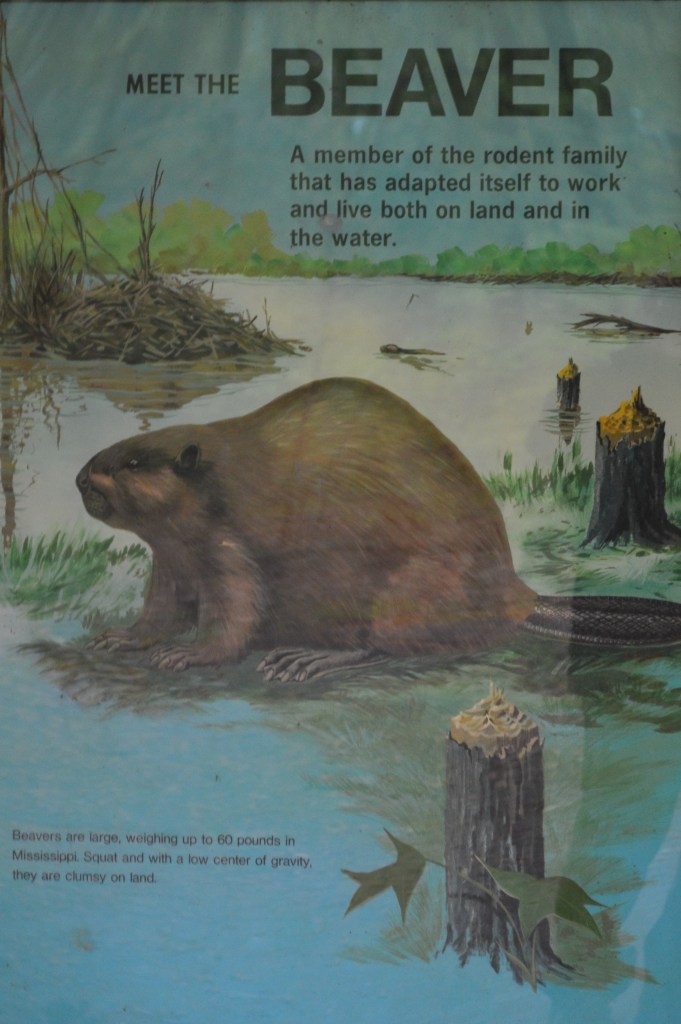
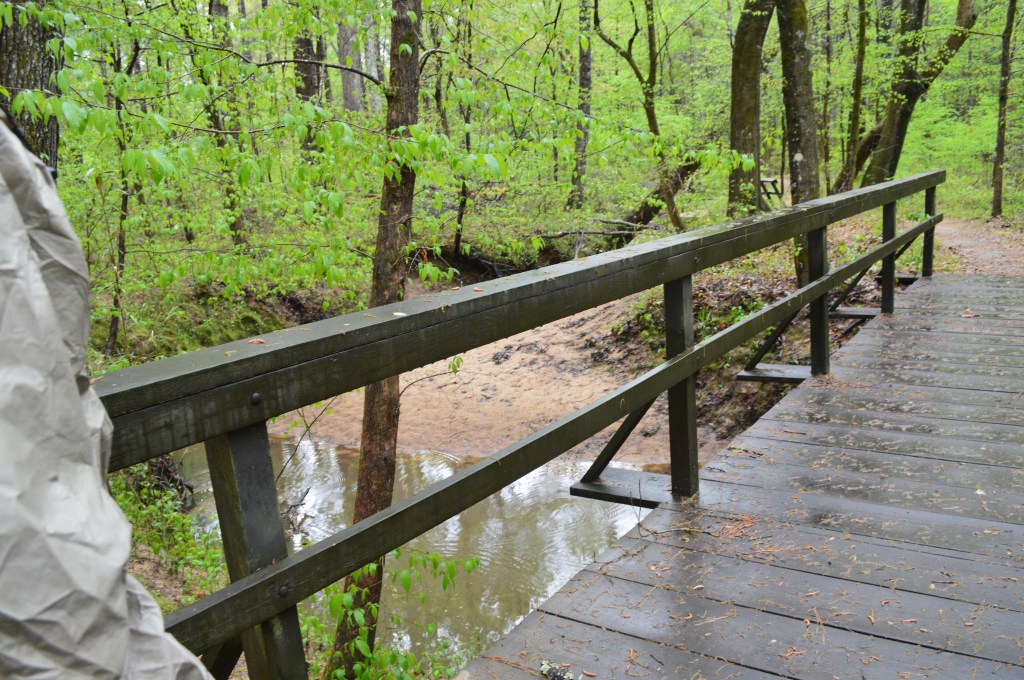
The kiosk at the head of the very short .2 mile loop trail was devoted to providing information about beaver behavior, biology, and habitat.
- They are the largest rodent in North America
- They can grow to be 60 lbs. with the average beaver ranging from 30-50 lbs.
- Beavers are considered aquatic mammals – they are excellent swimmers, but clumsy on land.
- Their tails are not only used as a rudder, but as stabilizer of sorts when sitting up. When a beaver slaps it’s tail it is alerting others of possible danger.
- Their teeth constantly grow and are self-sharpened by gnawing. They are sharp enough to fell trees.
- They have keen hearing and an acute sense of smell.
- The membrane that covers their eyes protects them while they are under water, but makes for poorer eyesight on land.
Something I found interesting about beavers is that they mate for life. Usually pairing in February. They bear “kits” in May. Litter sizes are generally four and it is not uncommon for more than one litter to remain with the parents in a family unit until the young are old enough to leave the den.
The den (or lodge) consist of underwater tunnels and entrances and is a separate structure from the dam they build to create ponds. These ponds create deep water that provide the beaver with a natural escape from predators.
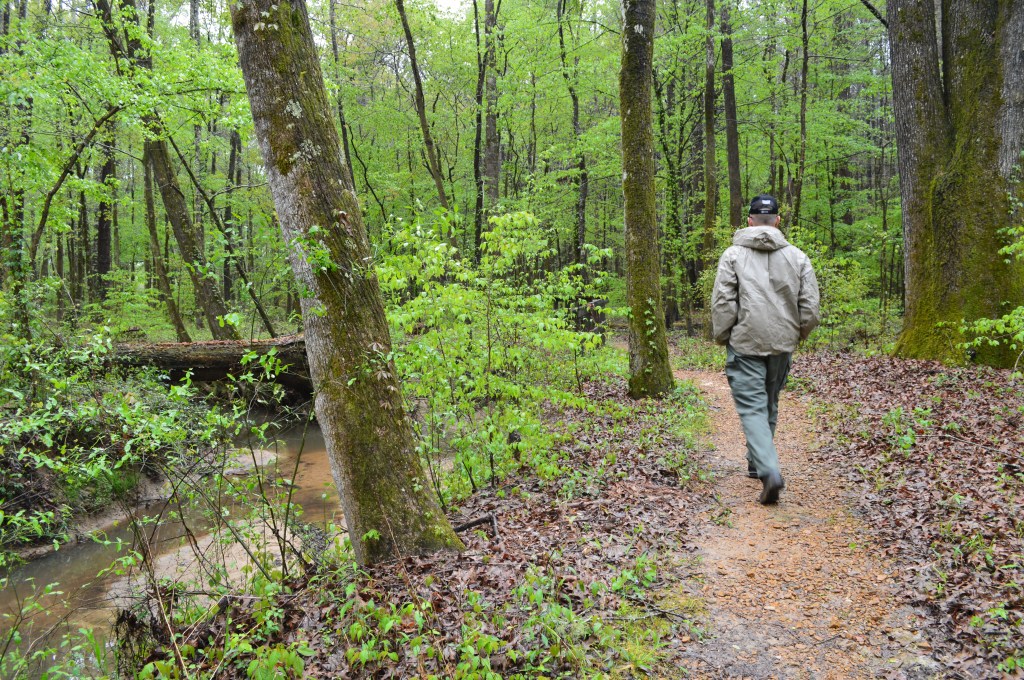
Beavers are known as “natures engineers” so as we walked the short loop trail we wondered how beaver activity in the area may have shaped the landscape we see now.
Unfortunately we did not spot any beavers. We did however see signs of activity and a few slides along the riverbank that looked as though they were made by the beavers tail as it slid back into the water.
The trail itself is a beautiful little walk. It doesn’t take much time and is a great place to get out and stretch.
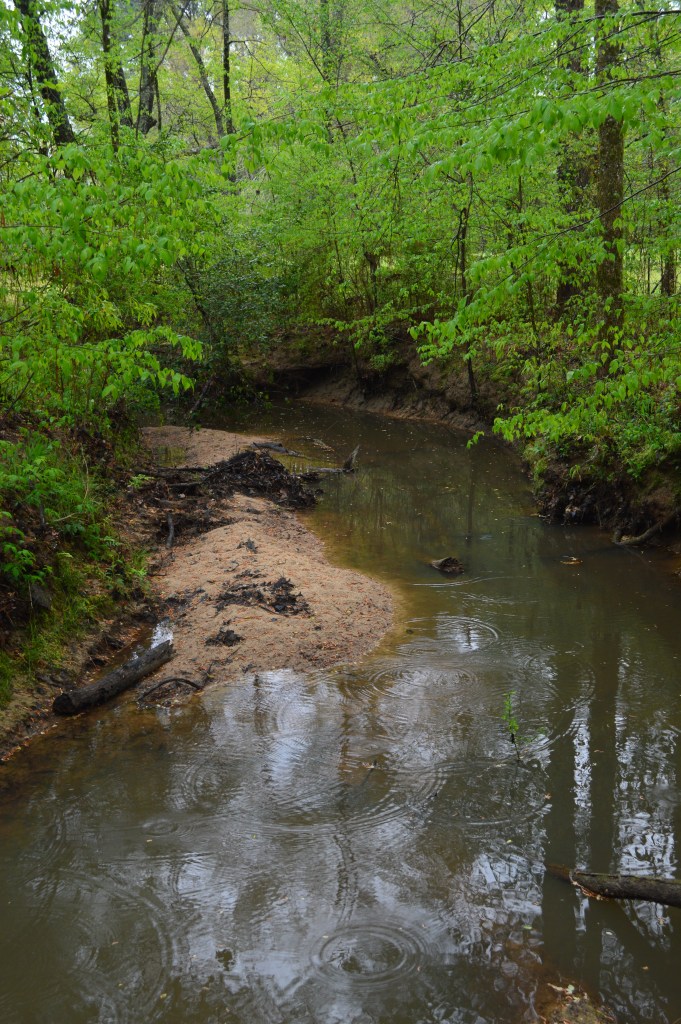
At our next stop we switch from learning how animals shape the envioronment to learning how the eniornment impacts the plants that grow there.
Until then…
Who we are, What we do, How we got started and How you can help
If you are new here and you would enjoy hearing about our journeys and learning along with us, please consider subscribing and if you want to know how it all began read our first post.
As always, if you want to help support this site please like, click, share, all that stuff! Or, you can make a donation or buy merchandise HERE. Donations will be acknowledged publicly the following week, so if you wish to remain anonymous please let us know.


When you click other links on our website and make purchases we may earn a small commission. However, this does not impact our reviews and comparisons. By using the links on this website you help to support us without any additional cost to you.


 FREE THE MCGEES